
Beneath the Surface: A Comprehensive Guide to Owning Mineral Rights in the Bakken Shale
Introduction:
Oil and gas markets can change quickly, and timing often makes a major difference when deciding whether to sell mineral rights in the Bakken. For many landowners across North Dakota and Montana, mineral ownership has created valuable long-term opportunities — but also uncertainty, legal complexity, and financial risk.
Why More Owners Are Choosing to Sell
For years, many owners held onto their Bakken mineral rights hoping for continued growth in production and royalty income. But market conditions have caused many to rethink that strategy. Oil prices remain unpredictable, regulatory environments continue to evolve, and production naturally declines as wells mature.
Selling converts that uncertainty into immediate liquidity a lump sum that can go toward retirement planning, debt reduction, land purchases, or other investments, instead of waiting on royalty checks that shrink over time. Selling also removes ongoing exposure to price swings and production risk, since those risks transfer to the buyer.
This is especially relevant for families managing inherited mineral rights. Multiple heirs sharing partial ownership often makes lease negotiations and royalty distributions more complicated over time; selling can simplify estate management and reduce that administrative burden.
Understanding the Bakken Shale:
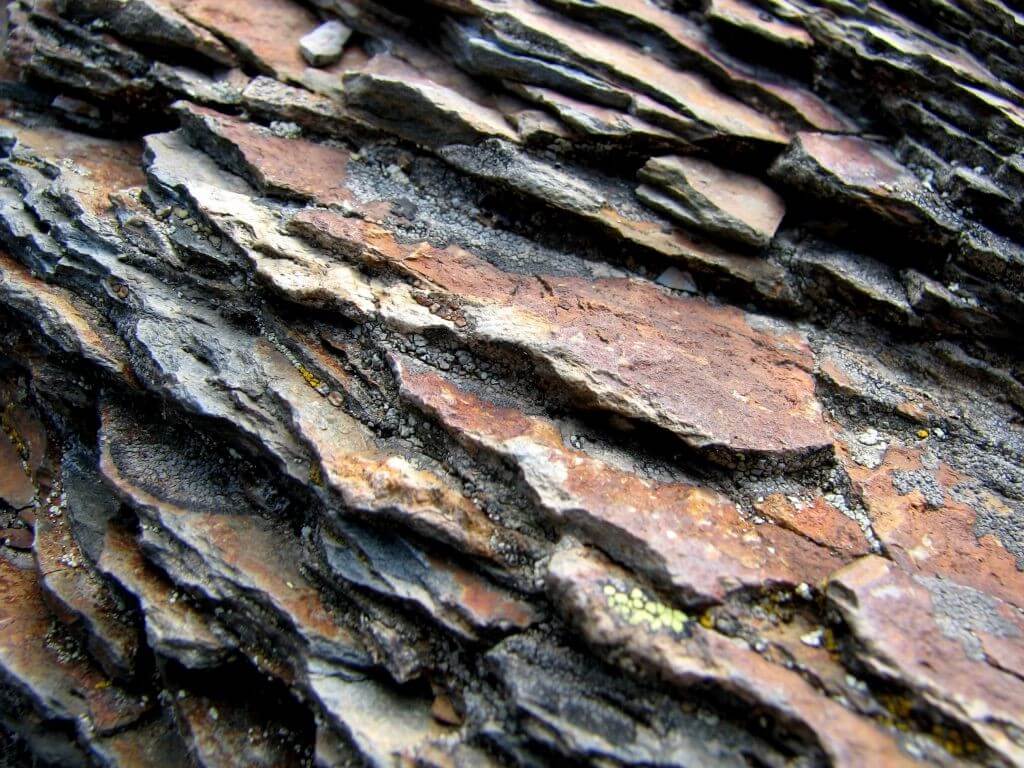
The Bakken Shale is a rock formation that holds vast reservoirs of oil and natural gas. Its unique geological characteristics, including low permeability and high organic content, have made it a focal point for energy exploration and extraction. Landowners fortunate enough to possess mineral rights in this region have the potential to benefit from the lucrative energy resources beneath the surface.
Understanding Severed Mineral Rights:
In many cases, mineral rights in the Bakken Shale are severed from surface rights, meaning ownership of what’s underground is legally separate from ownership of the land itself. It’s important to understand this distinction, since it can affect how negotiations and agreements work between surface owners and mineral rights holders. Clear, well-documented title is essential to avoiding complications later.
Leasing and Royalties:
The process of monetizing mineral rights often involves leasing agreements with energy companies. These leases grant companies the right to explore, drill, and extract minerals from the land in exchange for royalty payments. Negotiating favorable terms, including royalty rates and lease durations, is vital for landowners looking to maximize the economic benefits of their mineral rights.
How the Selling Process Works
Selling mineral rights is usually more straightforward than people expect when working with experienced professionals. The process typically includes:
- Reviewing ownership records and acreage details
- Evaluating production history and future potential
- Receiving a purchase offer based on current market value
- Completing title verification and closing documentation
Buyers evaluate factors like well performance, operator activity, location, commodity pricing, and nearby drilling plans to arrive at an offer — a reputable buyer will walk you through how each factor affects your specific number.
What Impacts the Value of Bakken Mineral Rights
Not all Bakken mineral rights are valued the same way. Location, nearby drilling activity, production history, lease terms, and royalty percentages all play a role. Properties with active wells or strong future potential typically receive higher offers, and clear ownership records help make the process faster and smoother.
Regulatory Note:
Mineral extraction in the Bakken Shale falls under the oversight of the North Dakota Industrial Commission, which governs drilling permits and environmental impact review. Staying informed about these regulations or working with a buyer who already is, helps ensure a smooth transaction.
Secure the Value of Your Bakken Mineral Rights Today
From simplifying estate planning to reducing exposure to oil market volatility, selling can provide flexibility and peace of mind that aligns with long-term financial goals. Every ownership situation is different, which is why working with knowledgeable professionals matters.
If you are exploring options for Bakken mineral rights or selling inherited mineral rights, 1280 Royalties can help you better understand your property’s value and guide you through the process with transparency and experience.
How to buy mineral rights in North Dakota?
Buying mineral rights in North Dakota starts with identifying available acreage, verifying ownership and title through county land records, and negotiating a price based on production history and geologic potential. Working with an experienced mineral rights buyer or landman helps confirm clear title and a fair market offer.
Who buys mineral rights?
Mineral rights are purchased by specialized acquisition companies, private investors, and sometimes the operators already producing in the area. Reputable buyers like 1280 Royalties provide a documented, no-obligation valuation and handle the title and closing process directly, making the sale straightforward for the owner.
Is buying mineral rights a good investment?
Buying mineral rights can be a strong investment in active, producing basins like the Bakken, offering royalty income without operating costs — but returns depend heavily on production levels and commodity prices, which can fluctuate. Buyers typically evaluate reserve potential, lease terms, and comparable sales before deciding if a specific interest is a sound purchase.
How much does it cost to buy mineral rights?
The cost of buying mineral rights depends on location, production history, and reserve potential, and is typically priced as a multiple of expected royalty income or on a per-acre basis for undeveloped land. Prices in active basins like the Bakken generally run higher than in areas with limited or no drilling activity.
Can you sell only a portion of your mineral rights?
Yes. Some owners choose to sell a percentage of their mineral rights while retaining partial ownership. This strategy allows families to access immediate cash while maintaining future royalty potential on the remaining interest.
Are mineral rights sales taxable?
In many cases, proceeds from selling mineral rights may have tax implications. The exact treatment depends on ownership structure, inheritance status, and individual financial circumstances. Consulting a tax professional before closing a transaction is recommended.
How long does it take to sell mineral rights?
Every transaction is different, but many sales can close within several weeks once title verification and documentation are completed. Complex ownership situations or probate issues may extend the timeline.